Two test reports come up again and again in furniture sourcing, and they are regularly mistaken for alternatives to each other. They are not. One asks whether a chair will hold together; the other asks whether it will resist a smouldering cigarette. A product can pass either one and fail the other.
EN 12520 — domestic seating, mechanical
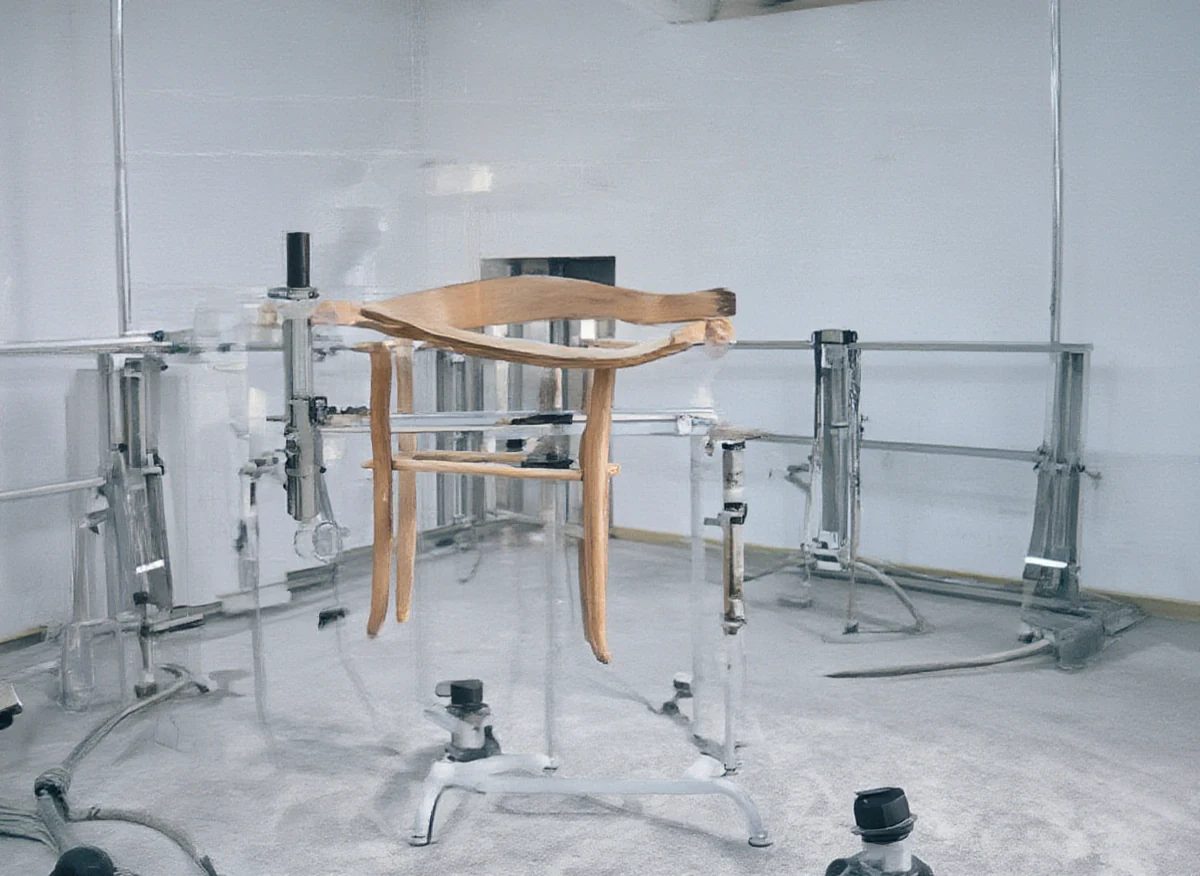
EN 12520 is the European standard covering the strength, durability and safety of domestic seating. In practice it applies a series of loads and cycles to the finished piece: seat and back fatigue, leg strength forwards and sideways, arm rests, drop tests, and stability checks for tipping.
Its companion for tables is EN 12521, and for non-domestic (contract and office) seating there is a separate family of standards with heavier duty cycles. A chair sold into a hotel or a restaurant is not being assessed as a domestic chair, and the report should say so.
CA TB 117-2013 — smoulder resistance
California Technical Bulletin 117-2013 is a flammability requirement. It covers the resistance of upholstered furniture materials — cover fabric, barrier material, filling — to a smouldering ignition source, typically a lit cigarette. It is a materials test as much as a product test, which is why component-level certificates matter: a compliant foam under a non-compliant cover does not produce a compliant chair.
TB 133 is the stricter, open-flame test used for certain public-occupancy and contract settings in California. The United Kingdom has its own furniture flammability regime, commonly referenced as BS 5852, with domestic and contract variations.
Why one never replaces the other
The two standards answer unrelated questions:
- EN 12520 — will it survive years of being sat in?
- TB 117-2013 — will it resist igniting from a smouldering source?
A steel-framed chair with a compliant cover can pass the flammability requirement and still fail leg strength. A structurally excellent chair can be built with a cover that fails smoulder resistance. Australian, UK and EU buyers may each ask for a different combination, and large retailers frequently layer their own requirements on top of the national baseline.
What to ask your supplier, by market
- EU — EN 12520 for seating, EN 12521 for tables; ask whether the report covers domestic or contract use, because the duty levels differ.
- California / wider US — TB 117-2013 for residential upholstery; TB 133 where the end use is public occupancy. Retailers may have their own protocol.
- UK — BS 5852 and the relevant domestic furniture flammability requirements.
- In every case — ask which laboratory issued the report, whether it is accredited for that standard, and what the report date is. A test report is only meaningful for the exact construction it was tested on: change the foam supplier, the cover, or the frame joint and you have changed the product.
General industry guidance. Standards are revised and national requirements differ by state and country — confirm the current applicable version and any retailer-specific protocol with your compliance adviser before shipping.