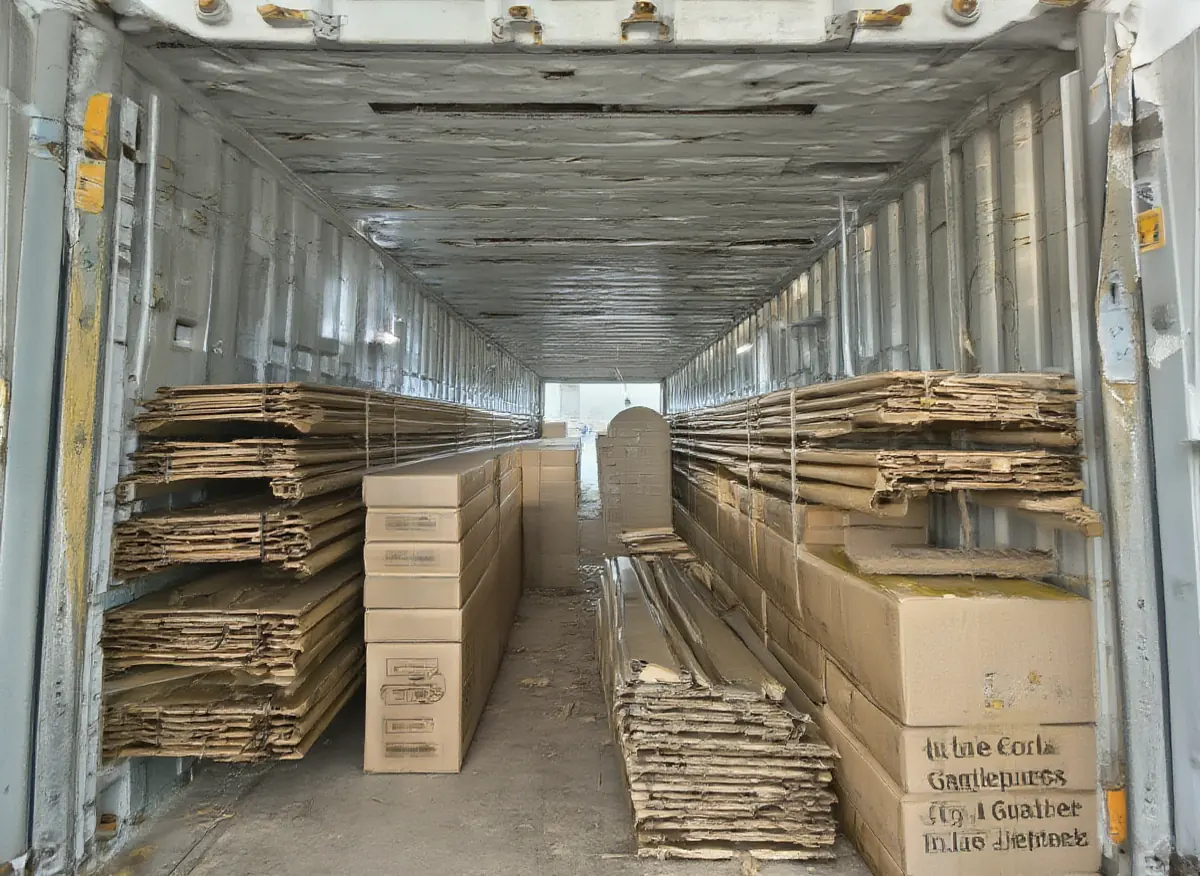
The first container is the most expensive mistake most new importers can make, and it is almost always made in the same direction: too many models, too many pieces each, and a warehouse full of product whose sell-through rate nobody has measured yet.
The job of the first container is information
A first shipment is not there to cover a season of demand. It is there to tell you which of your chosen models actually sells in your market, at your price, to your customer. Anything you cannot learn from it — and anything you over-commit to in order to hit a container minimum — is cash converted into inventory before you have earned the right to.
That reframing changes the question from "how do I fill 68 cubic metres" to "what is the smallest sensible range that still fills a container economically".
Choose a narrow range, then go deep enough to be credible
A workable first mix for most furniture importers is a small number of models in one coherent category, rather than one or two pieces from every category the factory makes. A tight range is easier to merchandise, easier to photograph, and easier to reorder. It also keeps your packaging, assembly instructions and spare parts simple.
Within that range, aim for enough depth per model that you are not sold out of the winner in week three — and that you have enough units to make a reorder decision on evidence rather than on a single sale. Exactly how many that is depends on your own sales velocity and lead time; the principle is that the depth should let the model survive until a repeat order can arrive.
Use mixed-container rules to buy the range you want
Suppliers commonly set a higher minimum order quantity per model for a single-model order, and a lower one when several models share the container. If you want five models rather than two, ask specifically for the mixed-container minimum. This is usually the single most effective question in the whole negotiation, and it is the difference between a range and a compromise.
Be aware of what mixing costs you: more carton sizes, longer consolidation time at the factory, and a higher chance that one slow item is sharing space with a fast one. It is still usually the right trade on a first order.
Leave room in the second order
Whatever you conclude from the first container, you will conclude it late. Lead time on a repeat order plus ocean transit means the decision you make in month two may not land until month four or five. Plan the first buy so that the models you expect to win have enough depth to cover that gap — and accept that the models you got wrong will be discounted, not reordered.
Before you book, check the numbers that actually bind
- Packed CBM per piece and the loading plan — not an estimate of "about a container".
- MOQ under a mixed container, per model, in writing.
- Lead time measured from deposit, not from some earlier stage, plus a realistic transit time.
- Carton marking and assembly instructions in the language your market needs.
- Which test reports apply to your market for the models you are buying — see our note on EN 12520 and CA TB 117-2013.
General sourcing guidance. Ordering quantities, minimums and lead times vary by supplier, model and season — base decisions on your own quotations, sales forecasts and cash position.