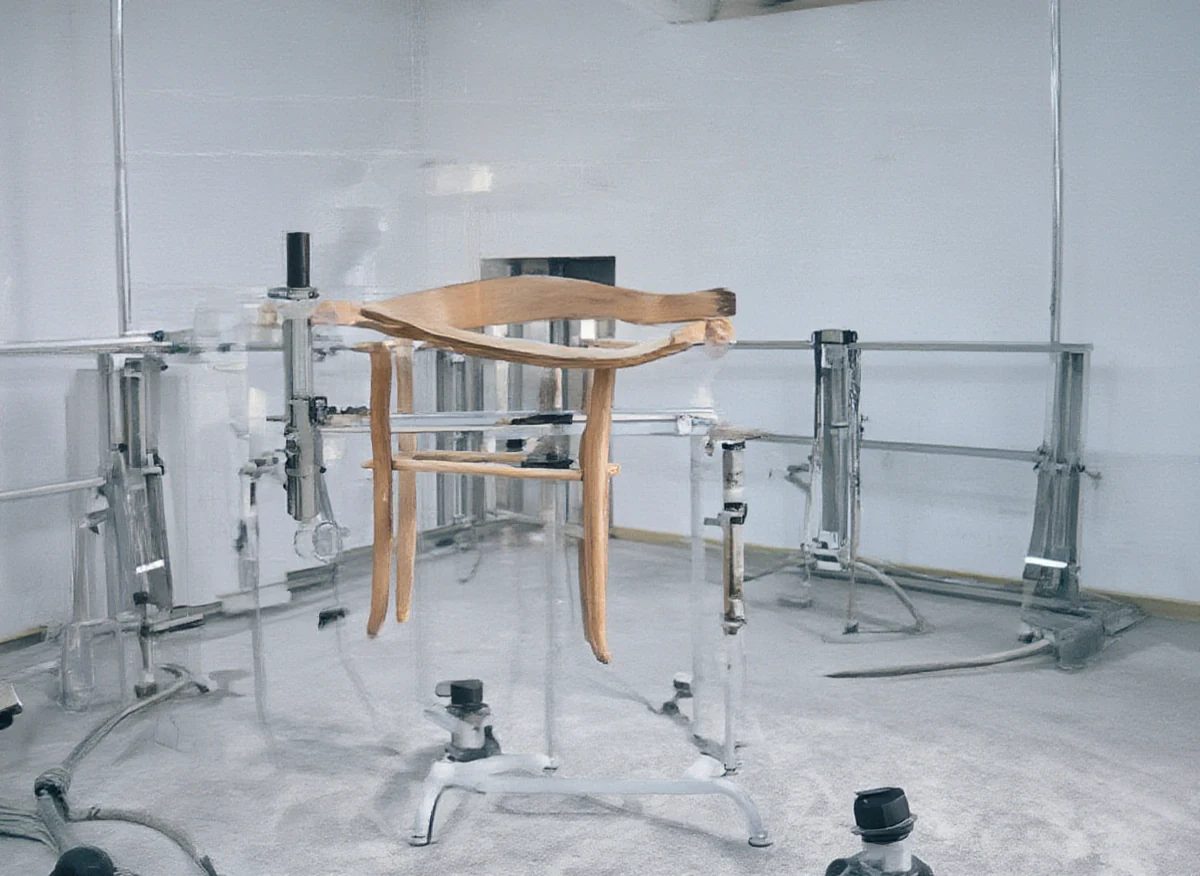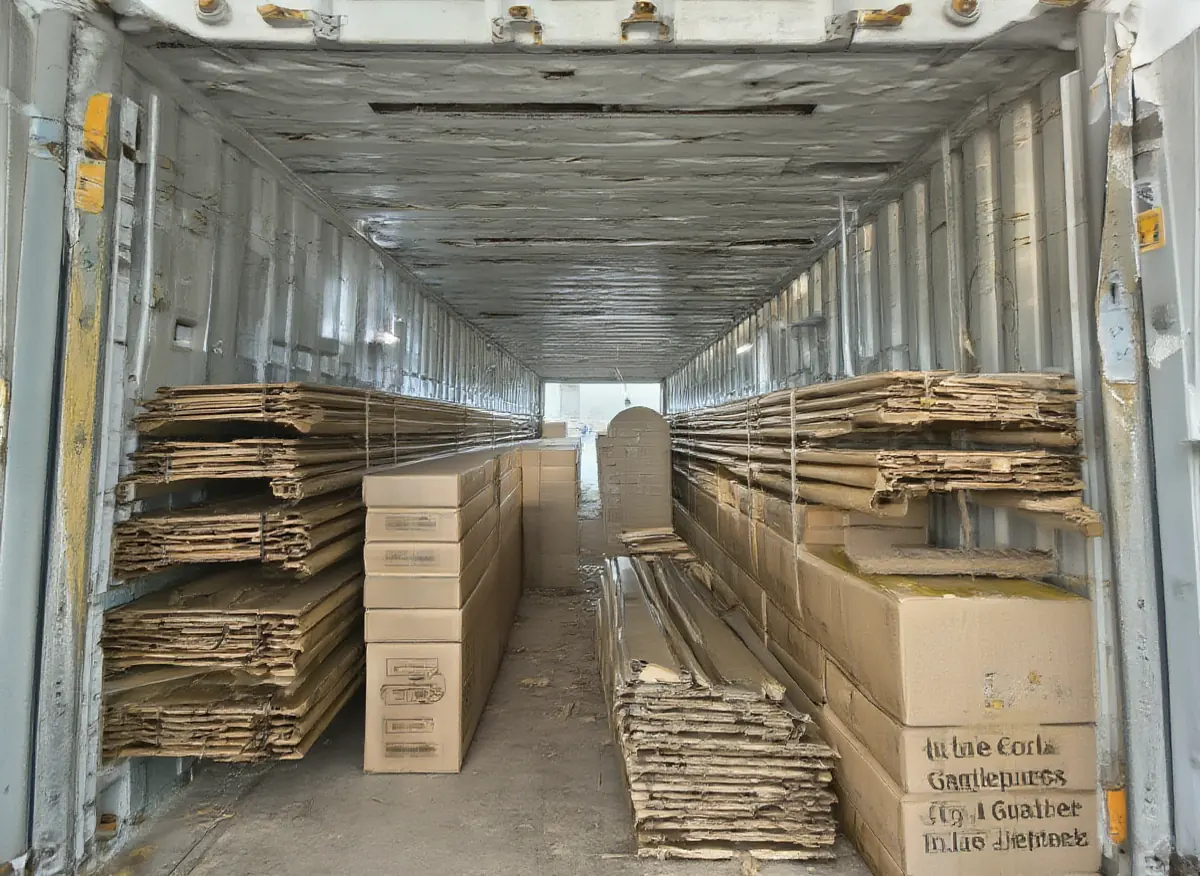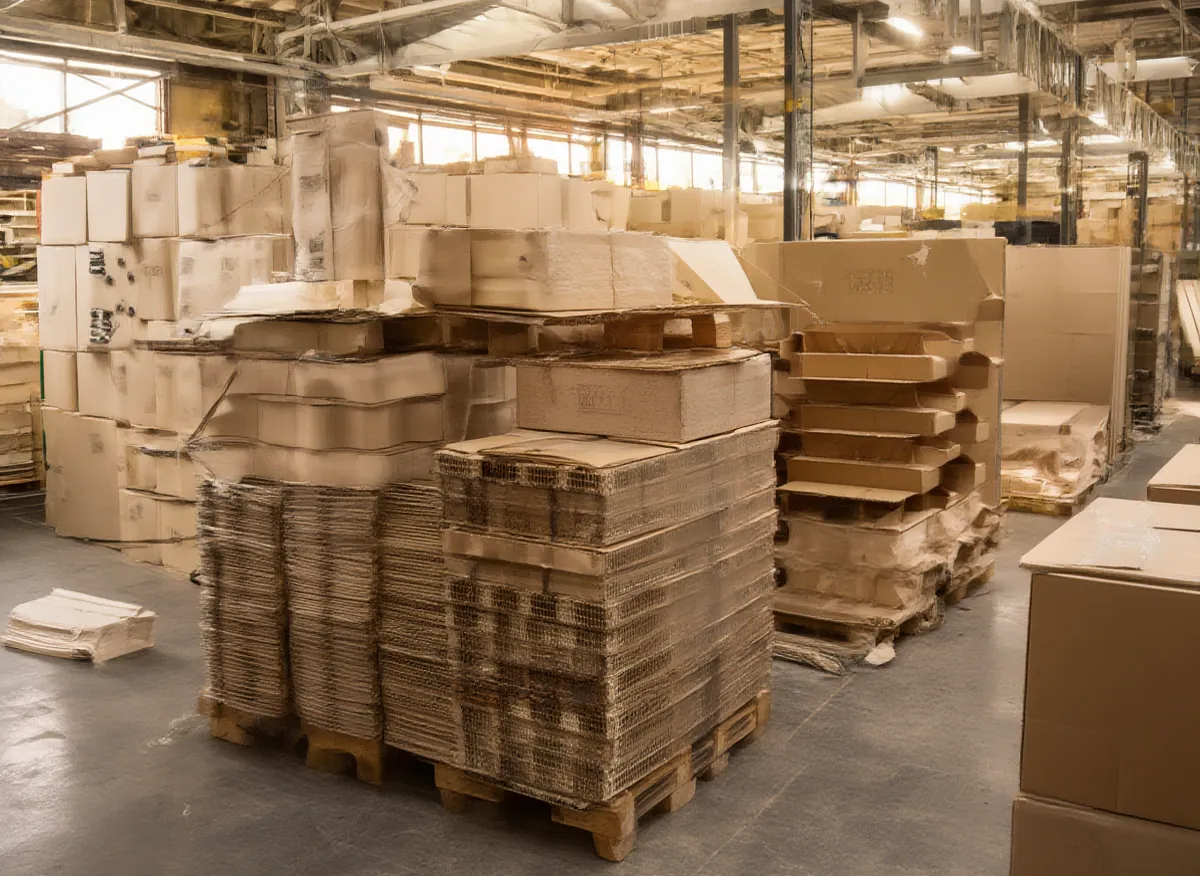
Knock-down, or KD, means a piece of furniture ships disassembled and is put together at the destination. For importers the pitch is simple: the same sofa in two cartons takes far less space than the same sofa assembled. What is less often spelled out is what you give up in exchange, and how to tell whether the trade is worth it on a specific model.
Why volume, not weight, sets your freight cost
Sea freight on furniture is almost always billed by volume, not by kilos. Upholstery in particular is light for its size: a three-seat sofa can weigh well under its volumetric equivalent. That means every cubic metre you take out of the carton is a cubic metre you stop paying for, and the saving is felt twice — once on ocean freight, once on the inland leg and the warehouse space at your end.
This is also why the number worth asking a supplier for is not the shipping weight. It is the packed CBM per piece, and the loading plan that goes with it.
Where the space actually goes
An assembled sofa wastes the space inside and around itself: the hollow under the seat, the gap between arms and back, the air you cannot use because the next unit cannot nest into it. Break the same frame into a seat platform, a back, two arms and a bag of legs and those voids collapse. Components can be nested and stacked flat against the container walls.
The same logic is strongest on:
- Beds and bedroom case goods — panels ship flat, headboards and rails nest.
- Tables — tops and legs separate cleanly with no comfort compromise.
- Storage and shelving — designed for flat pack from the outset.
It is weakest on one-piece moulded shells and on fully upholstered frames where the cover is integral to the structure, because there is nothing to take apart.
What you take on instead
KD moves work from the factory to the destination. That work has to land somewhere — your warehouse, a third-party assembly service, or the end customer. Before you commit to a KD program, three questions are worth answering honestly:
- Who assembles, and for how much? Assembly labour is not free, and in some markets it costs more per piece than the freight you saved.
- How tolerant is your channel of assembly? E-commerce and flat-pack retail are built for it. Full-service furniture retail and hospitality often are not.
- Does the joint survive it? A KD frame relies on cam locks, bolts and corner blocks. It should be tested to the same strength standard as its assembled equivalent, not to a lower one.
Making the decision per model, not per catalogue
KD is not a company-wide yes or no. Most export programs run a mix: flat pack on case goods and tables, assembled or semi-KD on upholstery where the seat unit is built as one piece and only the legs and arms come off. The right question is never "do you do KD" but "what is the packed CBM and the loading quantity on this model, both ways" — then put your own assembly cost against the difference.
General industry guidance only. Actual volume, loading quantities and assembly cost depend on the specific model, carton design and destination — confirm all figures against your own quotation and loading plan.